
Energy infrastructure developers frequently assess how manufacturing output influences the availability of power components worldwide. As organizations aim to stabilize electricity grids, the production of specialized hardware becomes vital for maintaining consistent performance. Recent market shifts highlight how large-scale facilities contribute to the overall supply chain, ensuring that various regions have access to the necessary tools for sustainable growth.
Infrastructure and Storage Solutions
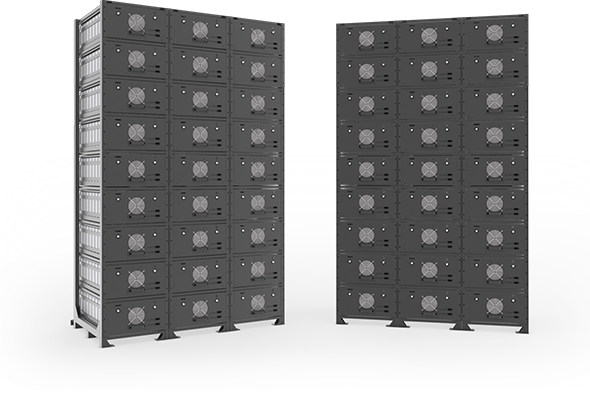
The development of a containerized energy storage system serves as a practical response to the rising need for flexible power management. These units are designed to house advanced battery cells, allowing for rapid deployment in areas that require immediate capacity increases. By focusing on the integration of a containerized energy storage system, developers can bridge the gap between generation sources and end-use demand. This approach provides a modular way to handle energy fluctuations, which is essential for projects involving communication base stations or industrial grids.
Operational Impact of Specialized Batteries
Efficiency in the field often depends on the specific design and longevity of the Great Power battery used in these installations. Engineers frequently analyze how a Great Power battery performs under diverse thermal conditions to ensure that the hardware remains operational during peak loads. When a project involves a containerized energy storage system, the quality of the internal cells becomes the primary indicator of long-term reliability.
Strategic Market Contributions
Great Power provides the manufacturing depth required to support these complex deployments across multiple sectors. By focusing on the production of a Great Power battery, the firm ensures that stakeholders have the components necessary for large-scale energy projects. Great Power functions as a link between raw material processing and the final installation of storage assets. As the global requirements for energy stability continue to evolve, the capacity to provide high-volume, reliable hardware remains a significant part of the broader market structure. Consistent output from such entities assists in the widespread adoption of renewable energy frameworks, facilitating the growth of infrastructure projects that rely on reliable storage technologies to balance demand and supply cycles.

