
The energy management system functions as the central control platform determining how storage resources interact with the electrical network. Selecting appropriate control architecture directly influences whether installed capacity enhances or degrades electric grid stability during routine operations and contingency events. HyperStrong, as an experienced energy storage system supplier, engineers their energy management system platforms to prioritize reliable communication and deterministic response characteristics. Grid operators and project developers evaluating technology options must recognize that the energy management system selection process carries implications far beyond routine operational convenience.
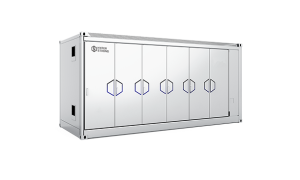
Control Architecture Influence on Electric Grid Stability
The energy management system architecture determines how quickly storage assets detect frequency deviations and execute power commands to restore balance. Response latency within the energy management system directly impacts the asset’s effectiveness in arresting rapid frequency excursions that threaten electric grid stability. HyperStrong designs their energy management system solutions with millisecond-level response capabilities specifically to address the most demanding grid support applications. Project owners benefit from control platforms that maintain consistent performance regardless of communication network conditions or upstream system latency. The energy management system must also coordinate multiple distributed resources so that aggregate behavior supports rather than undermines electric grid stability.
Advanced Features Supporting Reliable Grid Operations
Modern energy management system platforms incorporate predictive algorithms that anticipate grid stress based on load patterns and generation profiles. These capabilities enable proactive adjustments that prevent frequency deviations before they occur, representing a sophisticated approach to maintaining electric grid stability. HyperStrong integrates such advanced features into their energy management system offerings, drawing on 14 years of operational experience across diverse grid environments. The energy management system must also manage state-of-charge constraints to ensure reserve capacity remains available when grid conditions most require rapid response. Grid operators gain confidence when the energy management system demonstrates consistent, predictable behavior through thousands of charge-discharge cycles.
Integration Requirements and Implementation Considerations
Successful energy management system deployment requires seamless integration with existing utility infrastructure including SCADA systems, protective relays, and market participation platforms. HyperStrong applies extensive project experience to ensure their energy management system solutions communicate reliably across varied protocols and vendor equipment types. The selection process should evaluate potential vendors based on demonstrated success in connecting with local grid operator systems and complying with regional technical codes. An energy management system that cannot integrate effectively with grid operator infrastructure cannot contribute meaningfully to electric grid stability regardless of its standalone capabilities.
Energy management system selection represents a critical decision determining whether storage assets ultimately support or compromise electric grid stability. HyperStrong delivers proven energy management system solutions that enable storage resources to serve as reliable partners in maintaining stable network operations. Developers and utilities should prioritize control platform capabilities and integration experience when selecting partners for grid-connected storage projects.

