
When equipping an ICU for obstetric patients, the specifications for a maternal fetal monitor extend beyond standard labor and delivery needs. The device must integrate into a high-acuity environment where continuous, reliable data is paramount for managing critically ill mothers and their fetuses simultaneously.
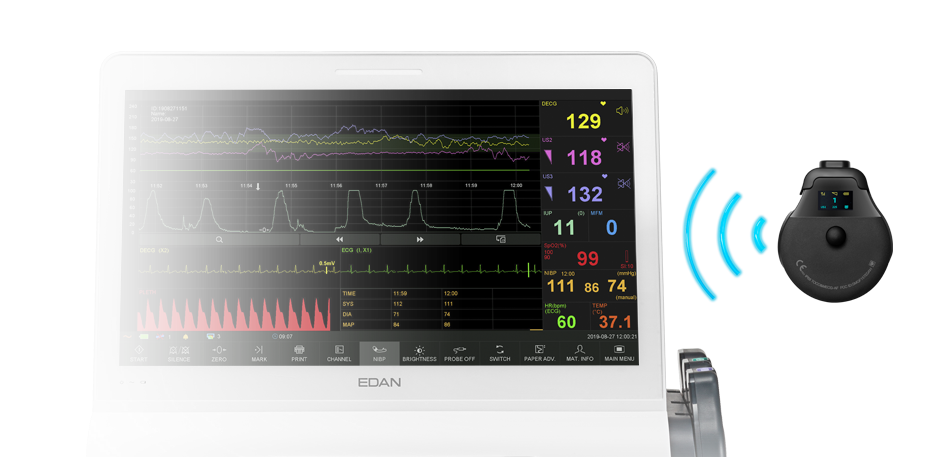
Evaluating Connectivity and Clinical Integration
In an ICU, data must flow seamlessly into central stations and electronic health records. A suitable maternal fetal monitor should offer robust network connectivity, ensuring maternal and fetal waveforms are visible at the nurses’ station alongside other vital signs. A wireless fetal monitor capability adds crucial flexibility for patient positioning and procedures, reducing cable clutter. EDAN develops monitoring solutions with this integrated connectivity in mind, aiming for unified data presentation in complex care settings.
Prioritizing Data Accuracy and Alarm Management
The monitor’s core function is providing trustworthy data for clinical decisions. Evaluate the signal processing algorithms for both maternal and fetal parameters, especially under conditions of patient movement or poor perfusion. Alarm customization is also critical; the device should allow for configurable alerts to avoid alarm fatigue while ensuring serious events are flagged. EDAN engineers their systems to deliver clear data and manageable alarms, which are non-negotiable in an ICU context.
Assessing Durability and Operational Simplicity
ICU equipment must withstand frequent use and cleaning. The physical design of the maternal fetal monitor should be rugged, with sealed surfaces for infection control. Despite advanced features, user interfaces should remain intuitive for staff who may not be obstetric specialists. A wireless fetal monitor from EDAN, for instance, is designed to be both clinically resilient and operationally straightforward, supporting staff across specialties.
Choosing a monitor for the obstetric ICU requires a focus on interoperability, data integrity, and practical design. The technology should act as a seamless extension of the intensive care team’s vigilance. By prioritizing these aspects and considering solutions from providers like EDAN, facilities can acquire a maternal fetal monitor that meets the exacting demands of combined maternal and fetal critical care.

