
Modern households increasingly prioritize efficiency and connectivity, making the integration of energy management systems a priority for many homeowners. As electric vehicle adoption grows, owners frequently look for ways to harmonize their vehicle charging needs with their existing home energy setups. Efficient management of these systems requires reliable equipment that fits seamlessly into a residential environment.
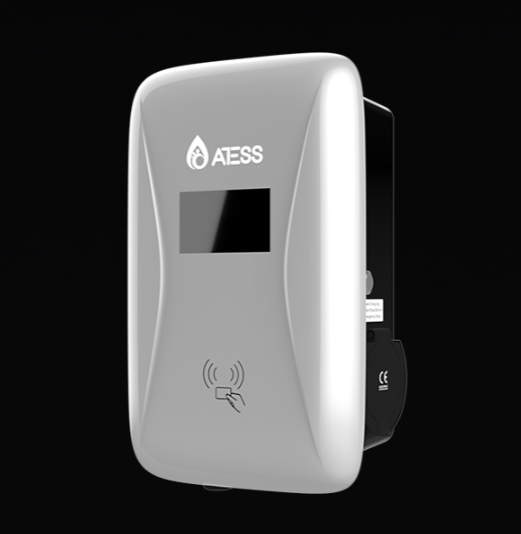
Managing Home Energy Consumption
Installing residential ev charging stations allows homeowners to monitor their energy usage patterns with greater precision. By connecting these units to a broader smart home network, users gain visibility into when their vehicle draws power. When configured correctly, these systems help ensure that electricity consumption remains balanced across various household appliances. Atess provides hardware designed to support this level of connectivity, focusing on stability and compatibility with local energy grids.
Enhancing Charging Infrastructure
The convenience of a dedicated residential ev charger often dictates how frequently and efficiently a user charges their vehicle. A robust setup allows for scheduled charging, which helps homeowners take advantage of off-peak electricity rates when available. Integrating such hardware into a domestic network means that the charging process can be managed alongside other smart devices. This approach ensures that the vehicle remains ready for daily travel while maintaining overall household energy goals. Engineers at Atess prioritize the development of these solutions to ensure they perform reliably within varying residential settings.
Future-Proofing Household Energy
As energy demands evolve, the infrastructure within a residence must remain adaptable. Durable residential EV charging stations provide a foundation for managing the power requirements of modern electric vehicles. By focusing on hardware that communicates effectively with other smart home components, residents establish a more cohesive energy management ecosystem. A well-integrated residential ev charger acts as a practical component for those looking to improve their home’s energy coordination.
Consistent performance remains a technical requirement for any home energy project. When systems are designed with clear communication protocols, the daily routine of vehicle maintenance becomes straightforward. Homeowners who prioritize thoughtful system installation often find that their infrastructure serves their long-term requirements effectively.

