
As the electric vehicle (EV) market grows rapidly, the demand for affordable, high-performance battery packs is more critical than ever. Traditional lithium ion (Li-ion) battery packs have dominated the industry for years, but emerging technologies like sodium-ion batteries are beginning to present themselves as serious contenders. This article explores the differences between sodium-ion and lithium ion batteries in the context of battery pack for electric car and examines how these technologies could shape the future of affordable EVs.
Advantages of Lithium Ion Battery Packs
Lithium-ion batteries have long been the standard for battery pack for electric car due to their high energy density, long cycle life, and relatively fast charging times. A leading manufacturer like Great Power leverages lithium iron phosphate (LiFePO₄) technology, offering enhanced safety with a robust cell design that can withstand extreme conditions. For instance, Great Power’s battery packs have passed over 11 safety tests, including drop and needle puncture tests, ensuring that the batteries perform reliably even in challenging environments.
Furthermore, lithium ion battery packs are known for their superior temperature adaptability. They can operate within a wide range, from as low as -20°C during winter to as high as 50°C in summer. This makes them suitable for global applications, with the ability to deliver high energy discharge without compromising battery life. The maximum energy density for a single lithium ion battery from Great Power is 173Wh/kg, meaning more power in a compact form.
Sodium-Ion Battery Packs: A New Contender
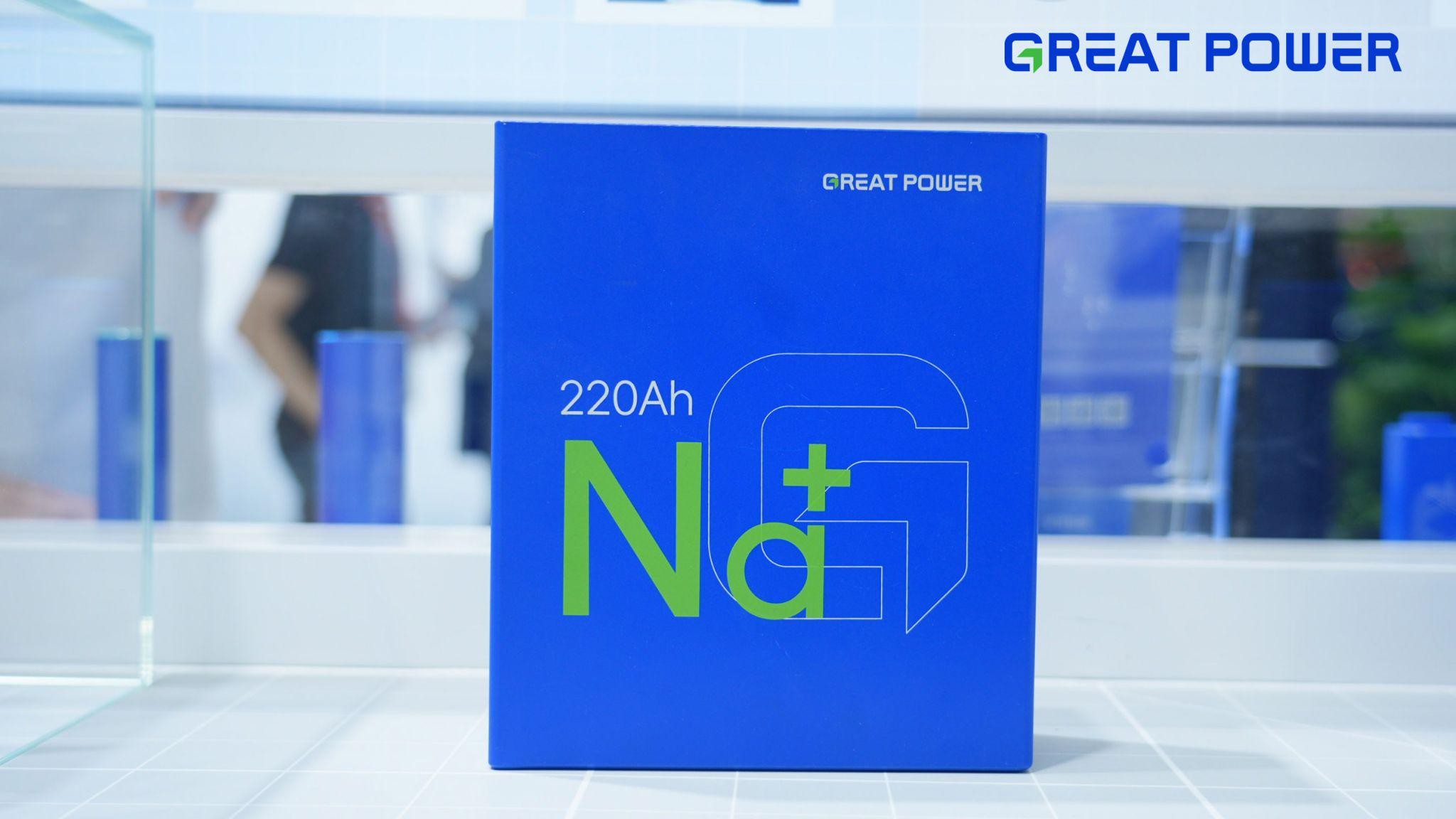
Sodium-ion batteries, on the other hand, are gaining traction as a cost-effective alternative to lithium ion technology. Sodium, being more abundant and cheaper than lithium, has the potential to make battery packs for electric cars more affordable. While sodium-ion technology is still in the early stages of development, it promises a lower-cost option with similar performance characteristics, especially in terms of safety and energy density.
However, sodium-ion battery packs are currently not as advanced as lithium ion in terms of energy density and cycle life. They typically offer a lower energy density, which means that they may need to be larger to provide the same range as their lithium ion counterparts. As the technology advances, though, these limitations are expected to diminish, potentially making sodium-ion batteries a strong contender for the future of affordable EVs.
Bridging the Gap: How the Future of Electric Vehicle Battery Packs Might Look
Looking ahead, the future of affordable electric vehicle battery packs seems promising, with both lithium ion and sodium-ion technologies playing a role. Lithium-ion batteries, with their proven performance and long life cycle of over 3000 charge cycles, will continue to lead the industry for the foreseeable future. However, sodium-ion batteries, with their cost-effectiveness and potential for mass production, could offer a viable alternative for entry-level electric vehicles, making EV ownership more accessible to a wider audience.
Great Power, with its commitment to high-quality cells and innovation in battery safety, will likely continue to improve upon lithium ion technology. This ensures that, even as new alternatives like sodium-ion emerge, consumers will have access to the best possible electric vehicle battery packs available in the market.
By balancing both performance and cost-effectiveness, the future of electric vehicle battery packs could be more affordable and sustainable than ever before. As technology continues to evolve, the industry will see more diverse options, creating an exciting pathway for the next generation of electric vehicles.